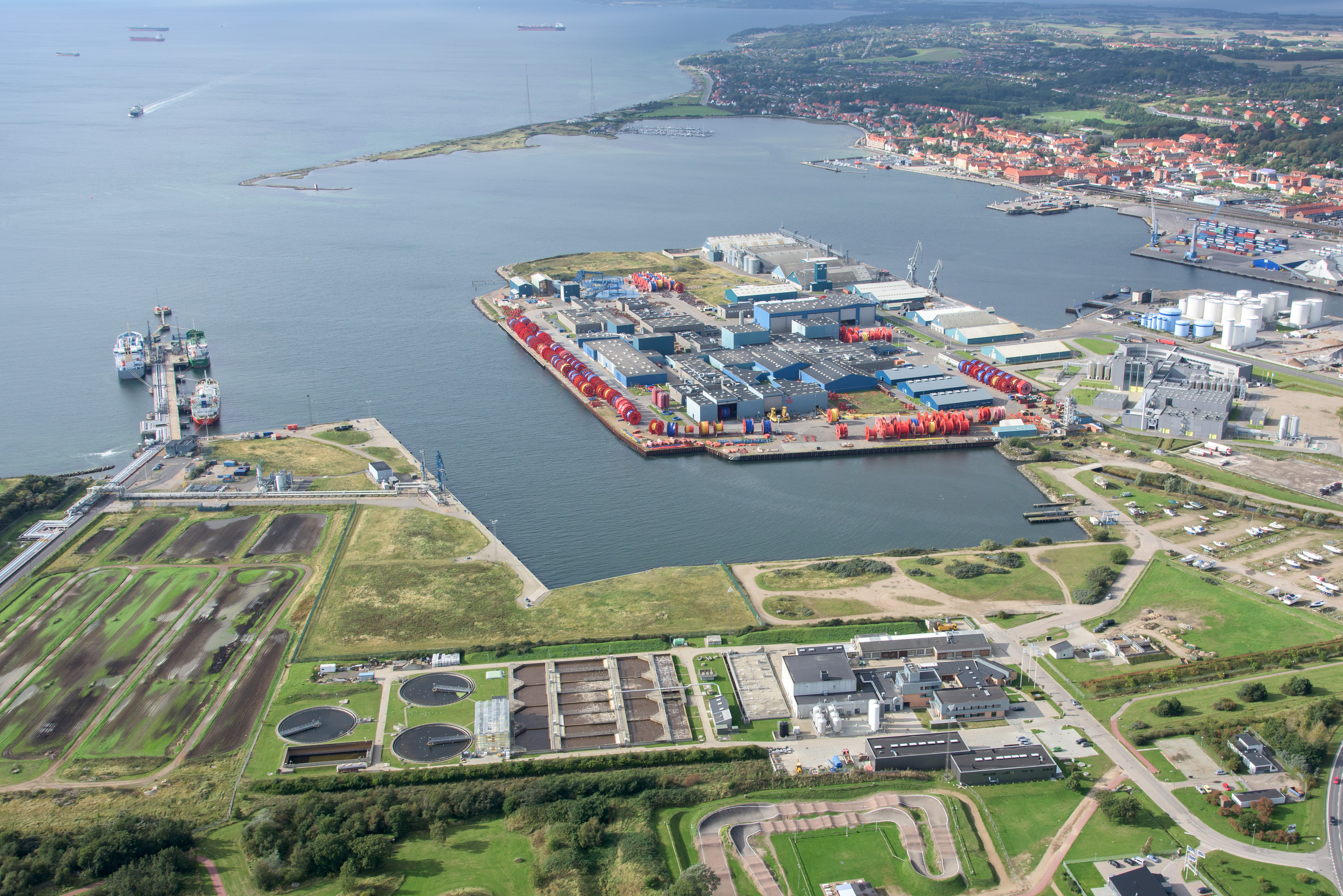
Kalundborg
Source: KCR
Description
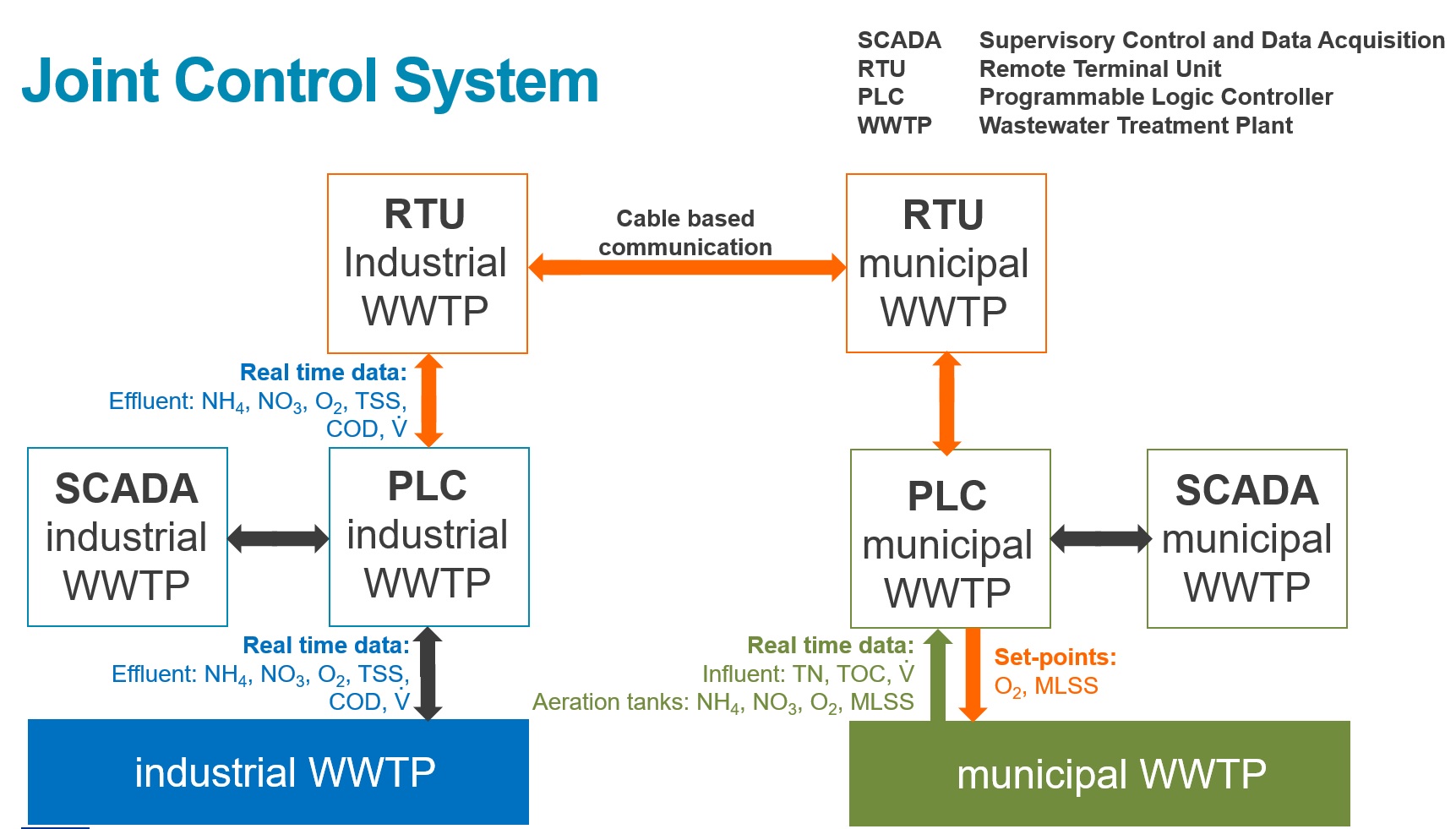
The Kalundborg Industrial Symbiosis Association links 17 private and public companies. Various water, energy and materials circular economy approaches have already been implemented. A new industrial area is now being developed in the north-eastern part of Kalundborg. New companies will become part of the Kalundborg Industrial Symbiosis, which not only creates opportunities for the local economy, but also challenges to ensure the sustainable use and reuse of resources such as water. Currently, the biotech sector uses groundwater and treated surface water sources and operates a large industrial wastewater treatment plant. Wastewater is treated in the industrial wastewater treatment plant (WWTP) and the effluent is then sent to the municipal WWTP for further treatment. The WWTPs are interconnected and controlled by an innovative joint control system for an energy efficient operation (Schütz et al. 2024).
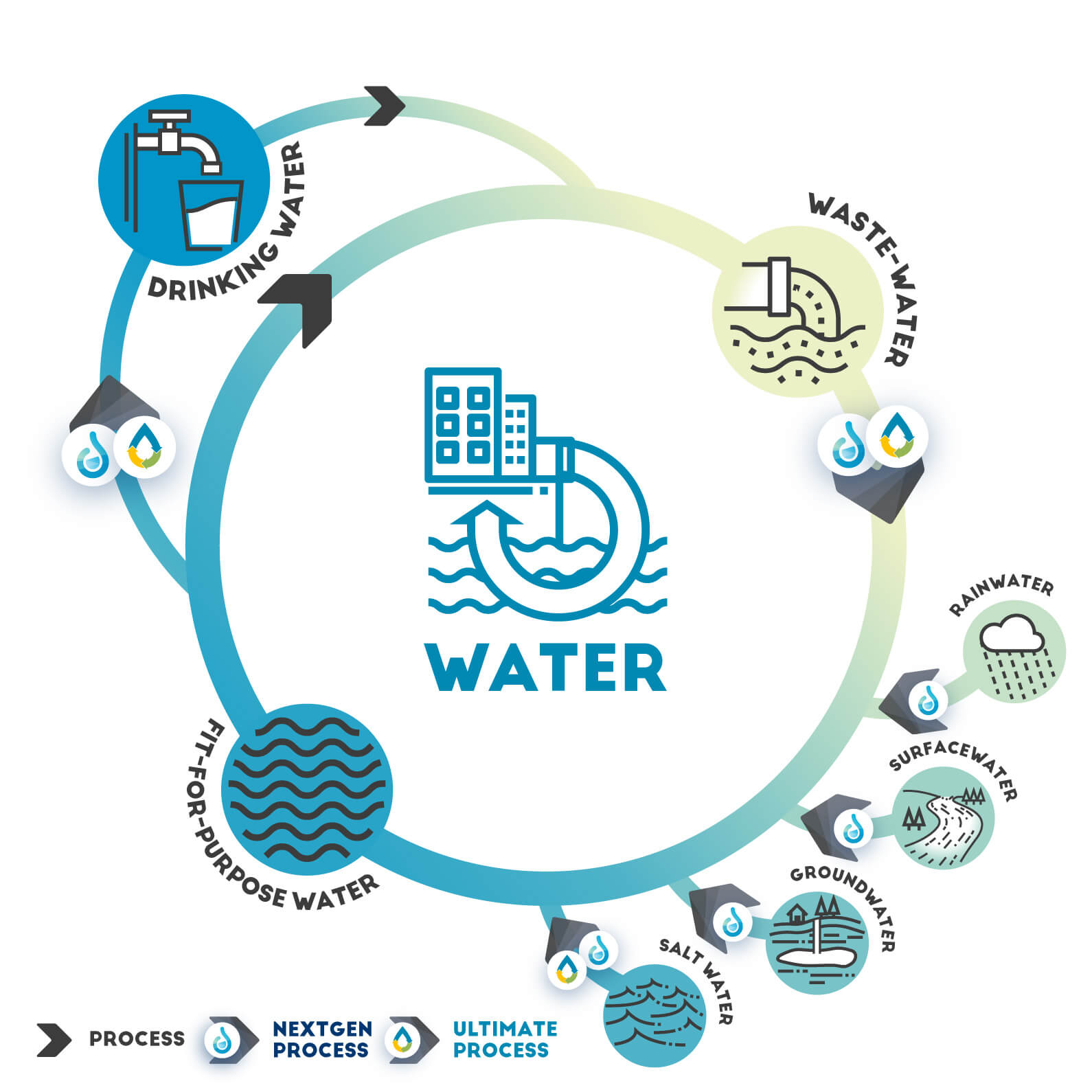
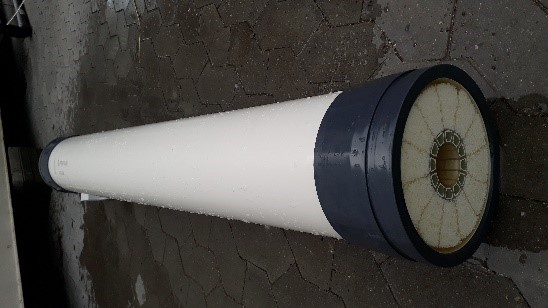
To meet the projected water demand in the future (a double increase from today), to make the industrial water supply more climate resilient and to provide redundancy for a save water supply, the use of several different water sources is envisaged, including reclaimed water, desalinated seawater, stormwater, and existing sources such as lake water and groundwater. In the ULTIMATE project, a suitable treatment train to reclaim water from the muncipal WWTP effluent was successfully piloted (Jährig et al. 2025). Different water supply scenarios will be modelled (UWOT) and evaluated (QMRA, QCRA and LCA) in order to propose an appropriate water management strategy for the future.
Applied technologies
Legislation and policy recommendations
The most important Danish regulations on drinking water and water production are the Danish Act on Water Supply (2020) and the Executive Order on Water Quality and Supervision of Water Supply Installations (2010). The Water Supply Act (2020) focuses on the utilisation and protection of water bodies, their appropriate use, ensuring a satisfactory water supply, and setting quality requirements to protect human health. The Executive Order on Water Quality and Supervision of Water Supply Installations (2010) defines water quality standards for drinking water, requires water quality testing and the monitoring of abstracted water volumes, and supervises water supply systems. Both regulations have been amended recently, allowing for the use of surface water for drinking water production.
The Seawater Executive Order (Havvandsbekendtgørelsen) permits the use of seawater desalination for producing drinking water came into force in December 2025. Furthermore, the production of drinking water by mixing groundwater or surface water with desalinated seawater is also foreseen, as is the use of drilling wells for this purpose.
Another act came into force in July 2025, called the 'Act on Technical Water Supply'. This Act permits the production of technical water from sources other than groundwater, such as treated wastewater or water from polluted groundwater. According to the act, the technical water cannot be used for drinking purposes, but for other uses such as providing feedwater to Power-to-X (PtX) plants. A Power-to-X plant converts surplus renewable electricity into various energy carriers or products. The X can stand for hydrogen for example.
Based on the revised UWWTD (EU 2024/3019), an amendment to the Danish UWWT Act is being prepared. The Danish parliament has agreed to include very strict discharge thresholds for 17 vulnerable areas in Denmark. One of these areas is located at the northern Great Belt near Kalundborg. The currently being discussed thresholds for phosphorus and nitrogen emissions are 0.1 mg P/L and 2.5 mg TN/L, respectively. This is very strict compared to the current discharge thresholds of 1.5 mg P/L and 8 mg N/L. In contrast, the revised EU UWWTD proposes for sensitive areas and especially for WWTPs >150,000 PE, 0.5 mg P/L or 90% removal and 6 mg N/L or 85% removal.
Although the European Water Reuse Regulation (EU 2020/741) has not yet been applied in Denmark, the country is no longer opting out.
See also D1.2 RECREATE (Kleyböcker et al. 2024)
Applied products
Urban Water Optioneering Tool
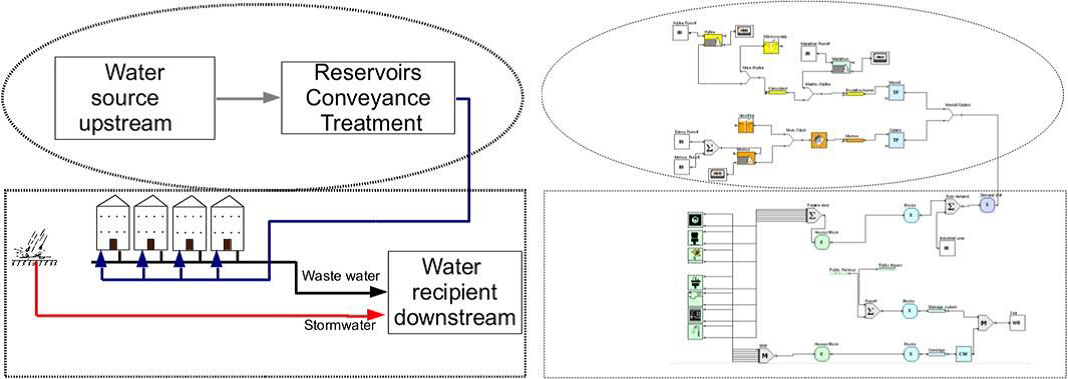
UWOT is a decision-support tool that allows users to compare different water management technologies (including water s…
Life cycle solutions
Not published
Risk assessments
Not published
Publications and references
J. Jährig, A. Kleyböcker, F. Kraus, L. Rodenkam Melchiosen, H. Milter, P. Thisgaard, L. Vredenbregt, U. Miehe: Innovative pre-treatments for reverse osmosis to reclaim water from biotech and municipal wastewater for the industrial symbiosis in Kalundborg, Water, Science and Technololgy 2025; 91 (6), 698-713.
https://doi.org/10.2166/wst.2025.025
J. Schütz, A. Kleyböcker, S. Bendix Larsen, M. Kristensen, C. Remy, U. Miehe: Modelling and set-point definition for the development of a joint control system of two interconnected wastewater treatment plants and its application in practice. Water, Science and Technology 2024; 90 (12): 3149–3165
https://doi.org/10.2166/wst.2024.386
W. Gernjak, A. Daaboub, N. Klamerth, Á. Bosch, D. Pedregal Montes, R. Mercado Bettin, E. Hernández Busto, Q. Plana Puig, A. Kleyböcker (2025). Future water supply availability and demand based on different RCP scenarios. D1.1 RECREATE, ICRA, Girona, Spain, 84 p.
A. Kleyböcker, I. Suárez Aguirre, L., Girier-Dufournier, K., Raat, L., Brokx, H., Milter, P. Thisgaard, I. Zarikos, N. Klamerth, A. Cremer, K. Baumann: Report on identified drivers, barriers and future risks on implementation of AWR, D1.2 RECREATE (GA No 101136598) Kompetenzzentrum Wasser Berlin gGmbH, Berlin, Germany, 2024.