Call for Consortium Partnership
Veracity is looking for watertech providers, project developers and data providers in Europe to launch co-financed pilots of the Water Resilience Certificate (WRC). WHY Water savings, reuse and recharge projects create real value, but that value is rarely measured independently, let alone paid for. The WRC is a science-based certification under the NEXUS® Standard: it measures what a project delivers against an agreed baseline, has it verified by an independent accredited body, and records it in a registry (1 WRC = 1 m³ of verified water benefit in a named basin). Energy (kWh), carbon (tCO2e) and productivity gains are reported alongside, each counted once. WHAT WE ARE LOOKING FOR Track 1 – Certification pilots on our published protocols: • NRW – leakage reduction in drinking water networks • IWR – industrial water reuse • RWH – rainwater harvesting Track 2 – Early adopters to co-develop upcoming protocols: • MAR – managed aquifer recharge • IRR – irrigation efficiency • AWH – atmospheric water harvesting We welcome two profiles: • Watertech providers and project owners (utilities, industrial sites, developers) with a site in operation or being deployed. • Data providers (smart metering, IoT, SCADA, remote sensing / satellite, hydrological data) whose data can serve as evidence for measurement and verification. WHAT YOU GET • An independent assessment of your project's water, energy and climate performance. • Your first Water Resilience Certificates, which can be sold to corporate buyers or used to raise finance. • Introductions to corporate buyers and funders looking for verified, basin-specific water outcomes. • For data providers: recognition of your data as admissible evidence in the NEXUS® protocols, and joint communication. • Early partners help shape the protocols and are credited as pilot partners. HOW THE CO-FINANCING WORKS Pilot costs are shared. Veracity contributes the protocol work, baseline review, AI-assisted data checks and registry set-up. The partner provides site access, data and staff time, and contributes to the cost of independent third-party verification. To cover the remaining costs, we work together on two fronts: joint applications to EU and national funding programmes, and industrial companies operating in the same river basin, which we approach to contribute financially through their water stewardship programmes. These contributions can cover the verification costs and part of the water-positive project costs. Terms are agreed case by case. ELIGIBILITY • Site or project located in Europe. • Measured data available: meters, sensors or operational records, ideally with 12 months of history to set the baseline. • Agreement of the site owner to share project data under confidentiality. • Indicative scale: from several tens of thousands of m³ per year. HOW TO APPLY Reply through this call or write to mehdi@veracity.earth with: organisation, project or data type, location, estimated annual volume (m³), data available, and timeline. Expressions of interest are reviewed on a rolling basis; we come back to every applicant within two weeks. More: Water >> https://site-veracity.pages.dev/ Carbon >> https://veracity.earth

Technologies or fields
AI techniques
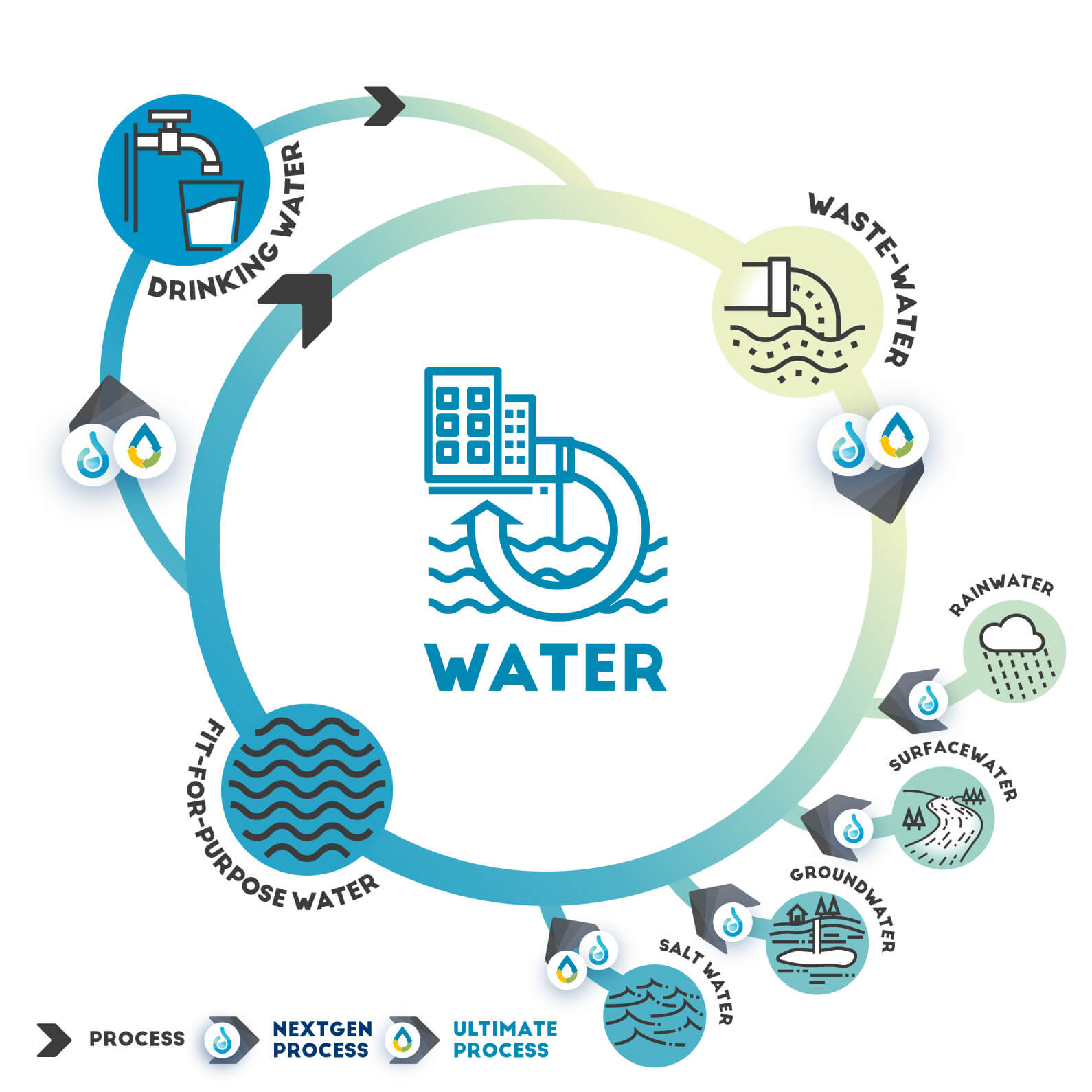
Controlled artificial recharge and drainage (CARD) system
Data Collection and Aggregation
Data quality evaluation
Data Science and Analytics
Desalination technologies
Desalination technologies reduce water salinity, allowing regenerated water with sufficient quality to be reused in var…
Digital Twin
Early warning, monitoring and control systems
Environmental Modeling and Simulation
Environmental Risk Assessment
Geographic Information Systems
Geospatial Technologies
Groundwater systems
Groundwater recharge, storage and recovery practices are based on the circular economy concept for water reuse, also pr…

Heat recovery & storage systems
Internet of Things
Irrigation and Water Management

Large scale Aquifer Storage & Recovery (ASR) Systems
Large scale Aquifer Storage & Recovery (ASR) systems are human-made or human-enhanced natural systems that harvest (e.g…
LCA
Life Cycle Analysis
Managed Aquifer Recharge

Microalgae and purple phototrophic bacteria production in a photobioreactor
Photobioreactors (PBR) act as solar receivers and supply sunlight (visible) and carbon dioxide (CO2) to microalgae (MA)…
Ontologies
Open standards
Rainwater harvesting systems
Rainwater harvesting systems are based on the principles of circular economy for the rational use of rainwater resource…
Remote Sensing and Satellite Imagery

Resource for Circular Economy
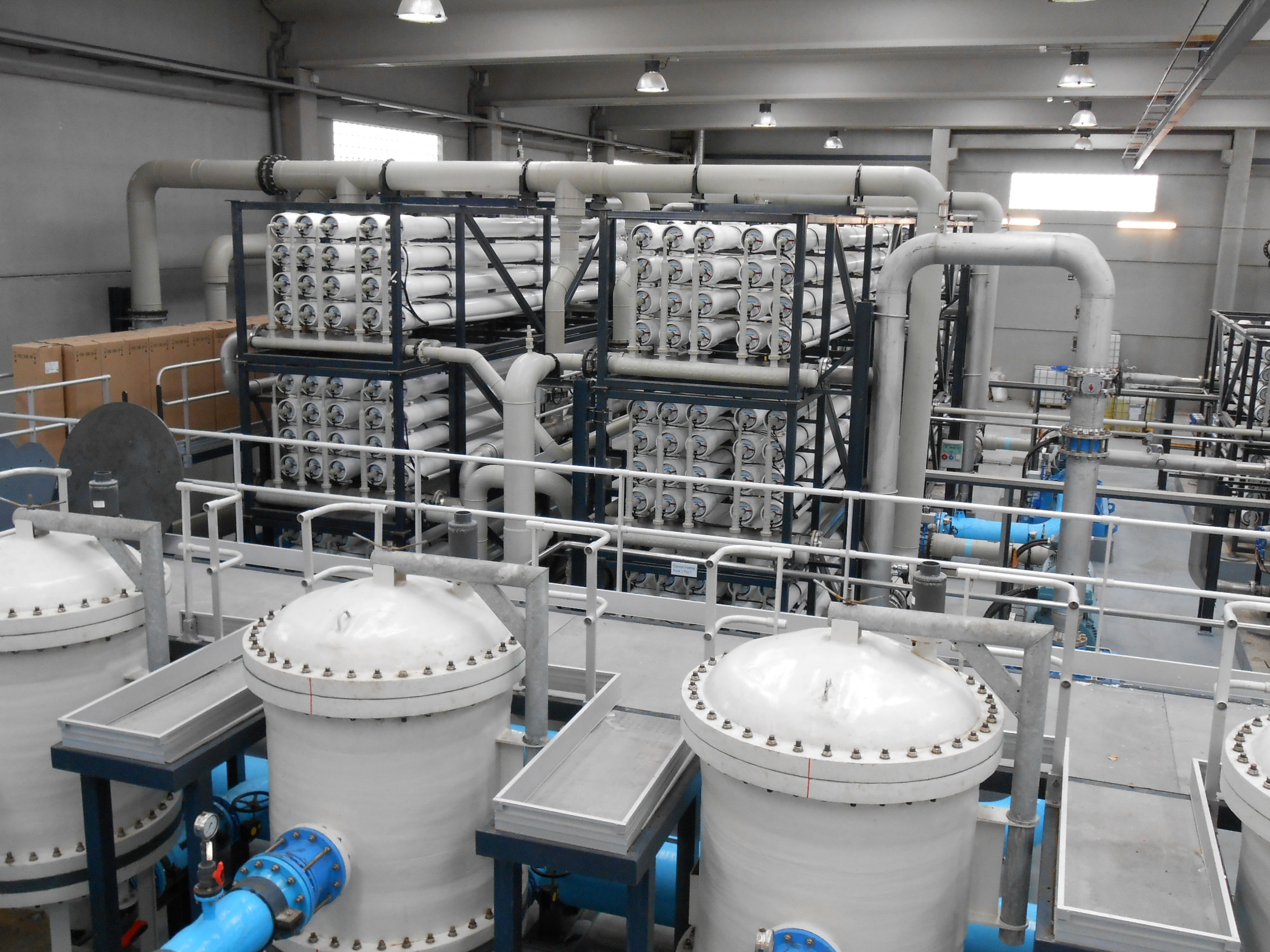
Reverse Osmosis
Naturally, if two solutions with respectively high and low salinities are separated by a semi-permeable membrane, the w…
S-LCA
Smart Metering
Spatial Data Analysis and Visualization
Stormwater Management
Stormwater Retention and Storage
Surface water and infiltration systems
Surface water can be collected and stored during rain periods to be later used in drought periods or injected into aqui…
Urban Water Infrastructure
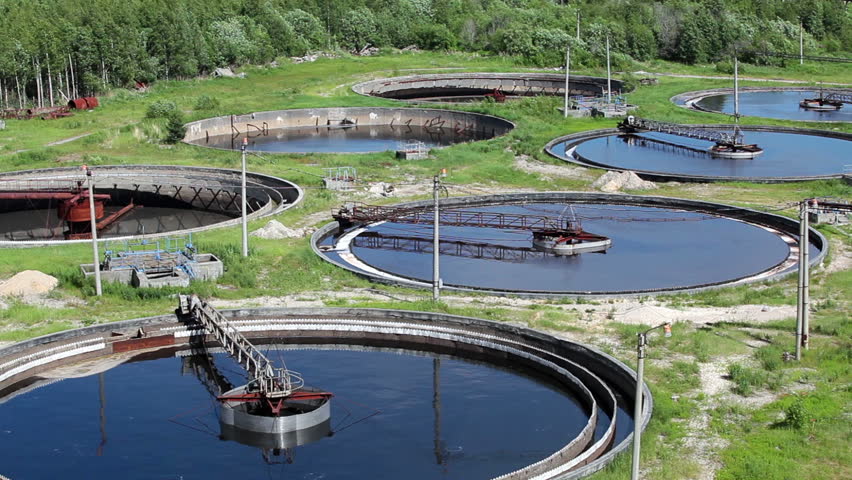
Wastewater treatment technologies for water reuse
Wastewater treatment and water reuse by implementing circular economy principles is an alternative source of water supp…
Water Quality and Standards
Water Quality Modeling
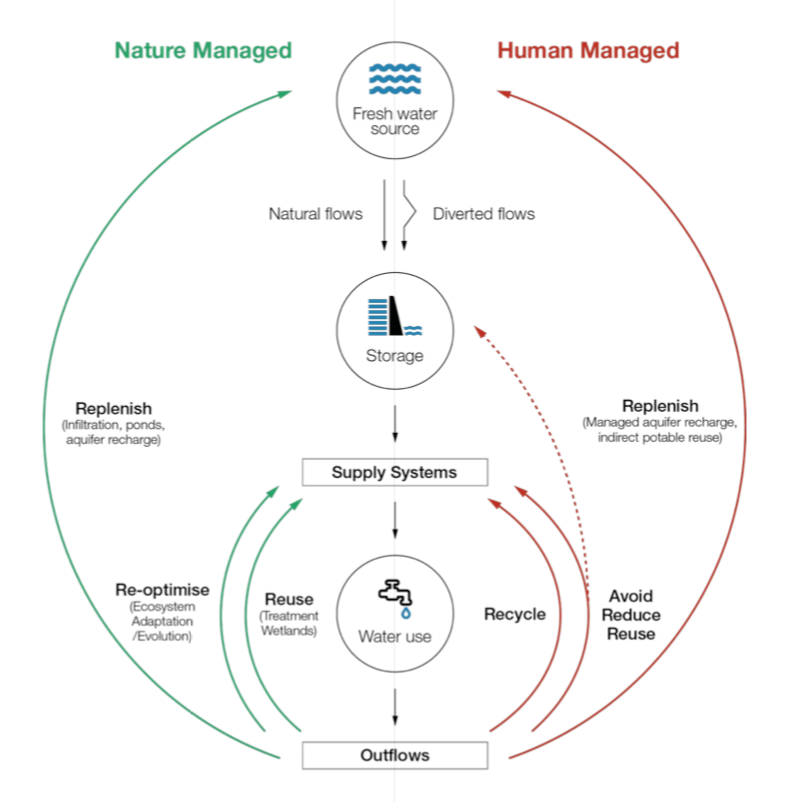
Water recovery technologies for water reuse
The opportunity with circular economy for water is to better align the human water cycle with the natural water cycle t…